Japanese Shokupan Pan Care Guide (Seasoning + Tips) • Just One Cookbook
bossfight.xyz >> Uncategorized>> Japanese Shokupan Pan Care Guide (Seasoning + Tips) • Just One Cookbook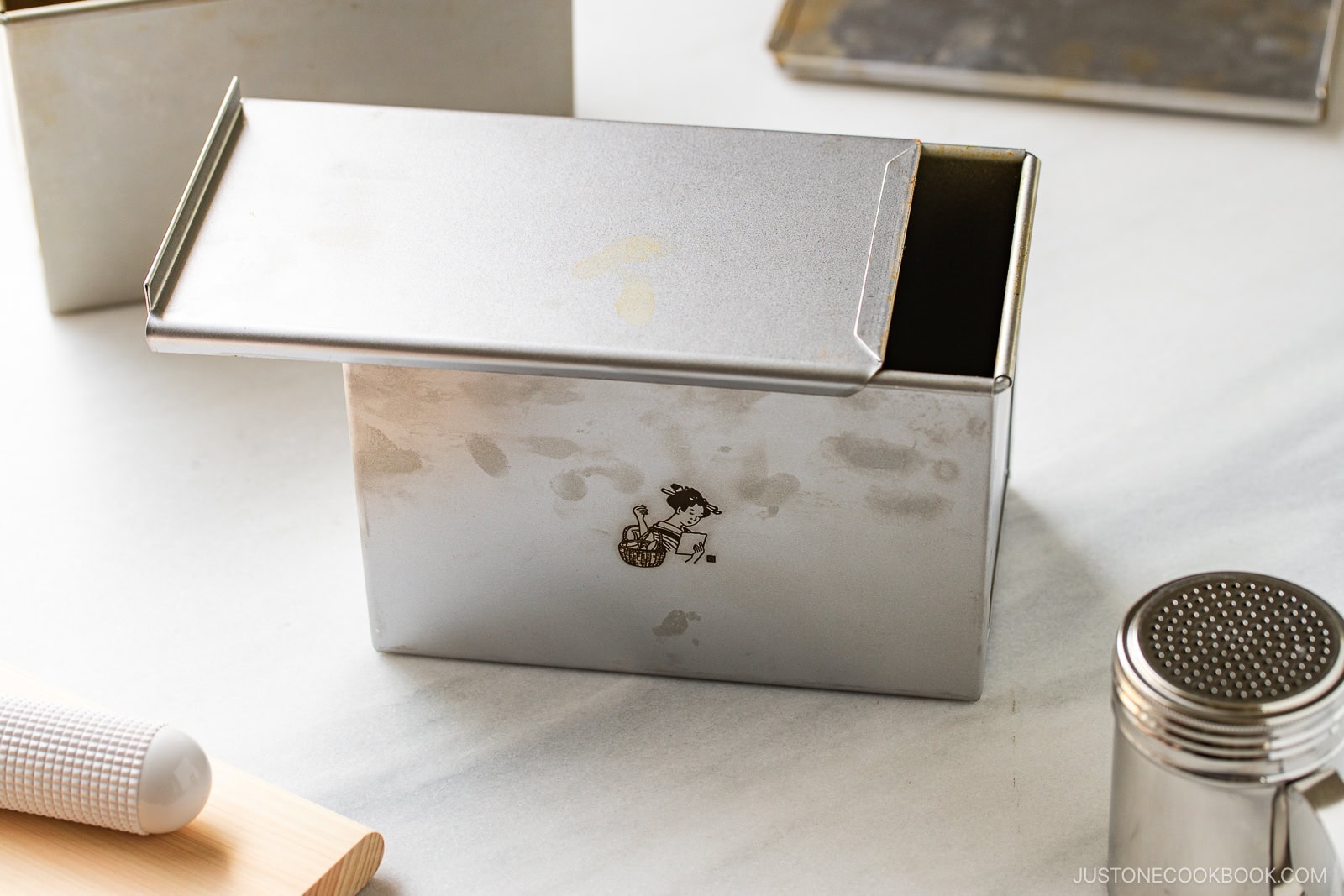
Japanese Shokupan Pan Care Guide (Seasoning + Tips) • Just One Cookbook

Before you bake your first loaf of Shokupan (Japanese Milk Bread), your loaf pan needs to be seasoned. This guide walks you through the process and how to keep it in great shape for every bake after that.


Shokupan Loaf Pan I’m Using
A shokupan loaf pan is a rectangular pan with a sliding lid—typically made of carbon steel, tin, or altite (aluminum-plated steel). Bake with the lid for a flat-topped loaf, or without it for a round-topped loaf.
Most pans available in the US are too small for authentic Japanese milk bread or sandwiches. For years, the only option was importing one from Japan—and that always bothered me. So we created our own: the JOC Goods Japanese Shokupan Loaf Pan is the authentic bakery size, now shipping from the US.
I also updated my Shokupan recipe, specifically for this loaf pan—so you get consistent results from the very first bake.
Equipment for Seasoning a Shokupan Loaf Pan
- High-smoke point oil (such as grapeseed)
- Paper towel
- Oven
How to Season a Shokupan Loaf Pan
Seasoning creates a thin layer of polymerized oil that protects the surface, prevents sticking, and builds a natural non-stick coating that improves with every bake—much like a cast iron pan.
- Wash and dry: Wash with warm soapy water to remove factory residue. This is the only time you’ll use soap. Dry thoroughly, then oven-dry at 350°F (180°C) to remove all moisture.
- Oil and bake: Apply a thin, even layer of neutral oil to all interior surfaces. Wipe away any excess—the surface should look almost dry. Bake at 430°F (220°C) for 20 minutes, then let cool completely.
- Repeat: Complete four rounds total for a well-seasoned surface.
For full step-by-step instructions, see the guide below.
Everyday Care
- Cleaning: In most cases, a dry paper towel wipe is all you need. No soap after the initial wash.
- Stubborn residue: Rinse quickly with warm water, but do not use soap. Dry immediately, then oven-dry at 350°F (180°C) for a few minutes. Re-season before storing.
- Rust: Scrub gently with a dry cloth or fine scrubber—never steel wool or abrasive cleaners. Re-season fully before using again.
- Storing: Keep the loaf pan and lid in a dry place with the lid slightly ajar for airflow. If storing long-term, apply a light coat of oil before putting it away.
First Bake Tips
The first few times you use a new loaf pan, the dough may stick slightly while the seasoning builds up. If that happens:
- Do not use metal spatulas or knives to remove stuck bread—this damages the surface.
- Re-season a few more times before your next bake.
- A light brush of neutral oil on the interior before each of the first few bakes helps with release and continues building the seasoning layer.
- Avoid getting a mix-in ingredient or egg wash on the interior surfaces of the loaf pan.
FAQ
Do I need to season a shokupan loaf pan before every bake?
No. Once well-seasoned, the loaf pan doesn’t need oiling before each bake. For the first few bakes while seasoning is still building, a light brush of neutral oil helps with release.
Can I put the loaf pan in the dishwasher?
No. The dishwasher strips the seasoning and causes rust. Always clean with a dry paper towel by hand.
How do I know when it needs re-seasoning?
If the surface looks dull, dry, or patchy—or your bread starts to stick—it’s time to re-season.
What if my shokupan is sticking?
Sticking usually means the seasoning needs more time to build, or it was stripped by washing. Stop using soap. Re-season and give it a few more bakes.
What if rust appears?
Light rust can be fixed. Scrub the affected area gently with a dry cloth or fine scrubber—never steel wool or abrasive cleaners, as these can damage the surface. Once the rust is removed, re-season the loaf pan fully before using again.
If the rust is deep or covers a large area, you may need to strip and re-season from scratch.
Why is my seasoning sticky or splotchy?
This happens when too much oil was applied during seasoning—the excess pooled rather than polymerized, leaving a tacky surface. Don’t worry—this is cosmetic and won’t affect your bread.
If you catch it before baking, wipe off the excess with a clean paper towel and start again with a thinner layer. If the sticky layer has already set, start over: wash with warm soapy water to strip it back, dry completely, and re-season from scratch.
I’d love to hear how yours turned out! 💛 Please leave a star rating and comment below to share your experience. Your feedback not only supports Just One Cookbook but also helps other home cooks find content they can trust.
How to Season and Maintain a Japanese Shokupan Loaf Pan
To Season the Loaf Pan
-
Wash: Preheat the oven to 350°F (180°C) for oven-dry. Wash the loaf pan and lid with warm soapy water to remove any factory residue. Note: This is the only time you’ll use soap on the loaf pan.
-
Oven-Dry and Cool: Dry thoroughly with a clean towel, then bake both pieces separately for 20 minutes to dry completely. Any remaining moisture can cause rust. Allow it to cool to the touch. Meanwhile, increase the temperature to 430°F (220°C) for seasoning.
-
Oil: Using a paper towel, apply a thin, even layer of neutral oil to all interior surfaces of the loaf pan and lid, including the corners and edges. Wipe away any excess—the surface should look almost dry. Too much oil will leave a splotchy, sticky coating.
-
Bake and Cool: Bake the loaf pan and lid separately for 20 minutes. Allow it to cool completely. Wipe away any excess oil with a clean paper towel. Note: Turn on your kitchen vent—it can get smoky.
-
Repeat: Repeat the oiling and baking process three more times (four rounds total) for a well-seasoned surface.
-
Your loaf pan is now ready to use. Thorough seasoning is what keeps the bread from sticking! With proper care, this shokupan loaf pan can last for many years—even decades. The more you use your loaf pan, the better the seasoning gets—as long as you keep moisture away from it.
Everyday Care
-
Cleaning: Let the loaf pan and lid cool completely before handling. In most cases, a dry paper towel wipe is all you need. No soap after the initial wash.Stubborn residue: Rinse quickly with warm water, but do not use soap. Dry immediately, then oven-dry at 350°F (180°C) for a few minutes. Re-season before storing.Rust: Scrub gently with a dry cloth or fine scrubber—never steel wool or abrasive cleaners. Re-season fully before using again.First bake tips: The first few times you use a new loaf pan, the dough may stick slightly while the seasoning builds up. If that happens, don’t use metal spatulas or knives—re-season a few more times and brush a light coat of neutral oil on the interior before each bake.See the FAQ in the blog post for troubleshooting.
Did you make this recipe?
Tag @justonecookbook on Instagram so we can see your delicious creation!
Editor’s Note: This post was originally published on June 1, 2022, and republished on May 17, 2026 with more helpful information.
Related Post
Yakisoba Recipe (Japanese Stir-Fried Noodles) 焼きそば • Just One Cookbook
Recipe Highlights Yakisoba (Japanese Stir-Fried Noodles) is one dish I grew up eating again and…